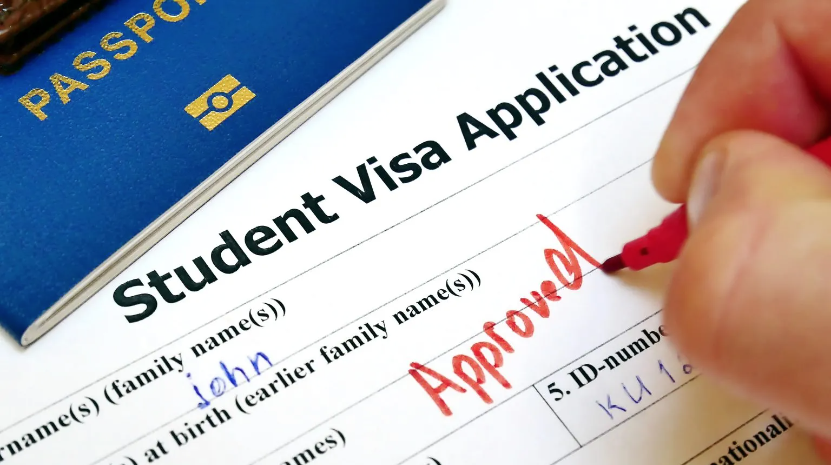
Applying for a student visa is a critical step for anyone planning to study abroad. Whether you’re heading to Canada, the USA, Australia, the UK, or another destination, the process involves specific steps that must be followed carefully. Each country has its own requirements and procedures, but the general steps outlined below can guide you through the process of applying for a student visa.
How to apply for a student visa
1. Choose Your Study Destination and Program
Before applying for a student visa, you must first choose the country and educational institution where you plan to study. Many countries require you to be accepted into a recognized institution before you can even begin the visa application process.
- Research Universities: Look for universities or colleges that offer the course or program you want to pursue.
- Check Visa Eligibility: Ensure the institution is approved for international students, as many countries require you to be enrolled in a government-approved educational institution to qualify for a student visa.
2. Get Accepted into a University or College
Once you’ve selected your study program, you’ll need to apply to the institution. Typically, the application process includes submitting academic transcripts, standardized test scores (like TOEFL, IELTS, SAT, or GRE), recommendation letters, and a statement of purpose.
- Offer of Admission: Once your application is accepted, you will receive an offer letter or acceptance letter from the institution. This letter is essential for your student visa application, as it proves you’ve been admitted to a recognized program.
3. Understand the Visa Requirements for Your Destination
Visa requirements vary by country, so it’s important to review the specific rules of the country you’re planning to study in. Common requirements include:
- Proof of Acceptance: A formal letter of admission from a recognized institution.
- Valid Passport: Ensure your passport is valid for the duration of your intended stay. Some countries require the passport to be valid for six months beyond your study period.
- Financial Proof: Evidence that you can financially support yourself during your studies (tuition fees, living expenses, etc.). This could include bank statements, proof of scholarships, or sponsorships.
- Medical Examination: Some countries, like Australia and Canada, require a medical checkup or specific vaccinations.
- Language Proficiency Test: Most countries require proof of proficiency in the language of instruction (e.g., IELTS, TOEFL, or other language tests).
4. Prepare and Gather Required Documents
Once you understand the visa requirements, you’ll need to gather the necessary documentation. While requirements vary by country, here is a list of commonly required documents:
- Completed Visa Application Form: Available on the official immigration or visa application website of the destination country.
- Letter of Acceptance: Proof of admission from the educational institution.
- Passport: A valid passport that meets the destination country’s validity requirements.
- Photographs: Passport-sized photos that meet the country’s specifications.
- Proof of Financial Support: Bank statements, scholarships, or proof of sponsorship to show you can cover tuition fees and living costs.
- Proof of Language Proficiency: Test scores for exams like IELTS, TOEFL, or others.
- Medical Certificate: Some countries may require a medical examination or health insurance proof.
- Statement of Purpose: A letter explaining why you wish to study in that country and how it aligns with your career goals.
- Visa Fee Payment Receipt: Ensure you’ve paid the necessary visa fees and have the receipt as proof.
5. Submit Your Visa Application
Depending on the country, you may be able to submit your visa application online, by mail, or in person at an embassy or consulate.
- Online Applications: Some countries, like Australia and the UK, allow students to submit visa applications entirely online.
- In-Person Applications: For countries like the USA, you will need to schedule an appointment at the local embassy or consulate to submit your application and undergo an interview.
- Visa Fees: Pay the applicable visa processing fees. These vary by country and can range from $100 to $500 or more.
6. Attend a Visa Interview (If Required)
Many countries, such as the USA and Canada, require an in-person interview at the embassy or consulate as part of the student visa application process.
- Interview Preparation: Be prepared to answer questions about your study plans, financial situation, and why you chose the specific institution. Be clear and honest.
- Documents: Bring all relevant documents to the interview, including your passport, admission letter, proof of financial support, and any additional forms requested.
7. Wait for Visa Processing
After submitting your application, the waiting period can vary depending on the country and time of year. Typically, visa processing can take anywhere from a few weeks to several months.
- Track Your Application: Many countries provide online tracking for visa applications, allowing you to monitor the status of your application.
- Respond to Requests: If additional information or documents are required, make sure to respond promptly to avoid delays.
8. Receive Your Visa
Once your visa is approved, you will receive your student visa either stamped in your passport or electronically. Some countries provide an electronic travel authorization that you must print and bring with you when traveling.
- Check Visa Validity: Ensure your visa covers the entire period of your studies. If it does not, you may need to apply for an extension while in the country.
- Review Visa Conditions: Some student visas come with conditions, such as work restrictions or mandatory health insurance. Make sure to understand these conditions to avoid any legal issues while studying abroad.
9. Prepare for Your Move
Once your visa is granted, you can start preparing for your move abroad. Key steps include:
- Arrange Accommodation: If your school does not provide housing, make sure to secure accommodation before departure.
- Book Your Flight: Purchase your flight tickets, keeping your visa conditions in mind, such as arrival deadlines.
- Get Health Insurance: Some countries require international students to have health insurance, either purchased privately or provided through the school.
10. Arrive and Begin Studies
Upon arrival in your destination country, you may need to show your visa and other documents to immigration officials. Be sure to have your:
- Passport
- Student visa
- Admission letter
- Proof of financial support
- Accommodation details
Once settled, follow any local procedures, such as registering with local authorities or getting a student ID card.
Conclusion
Applying for a student visa is a critical part of studying abroad. The process can be complex, but by following the steps outlined above, you can ensure that your visa application is complete and accurate. Always consult the official immigration website of the country you’re applying to for the latest requirements and guidelines.
Let me know if you need more details on specific countries or assistance with any particular visa process!